
Alternative PNT
A robust PNT infrastructure means having capable and complementary Alternative Position, Navigation and Time (APNT) systems available should the primary GNSS-based system be degraded. Systems using terrestrial transmissions provide capabilities that complement GNSS, such as much higher signal power and greater ease of maintenance and upgrade. However, APNT also needs to provide operational capabilities similar to those gained from GNSS, as well as robustness to malicious attackers.
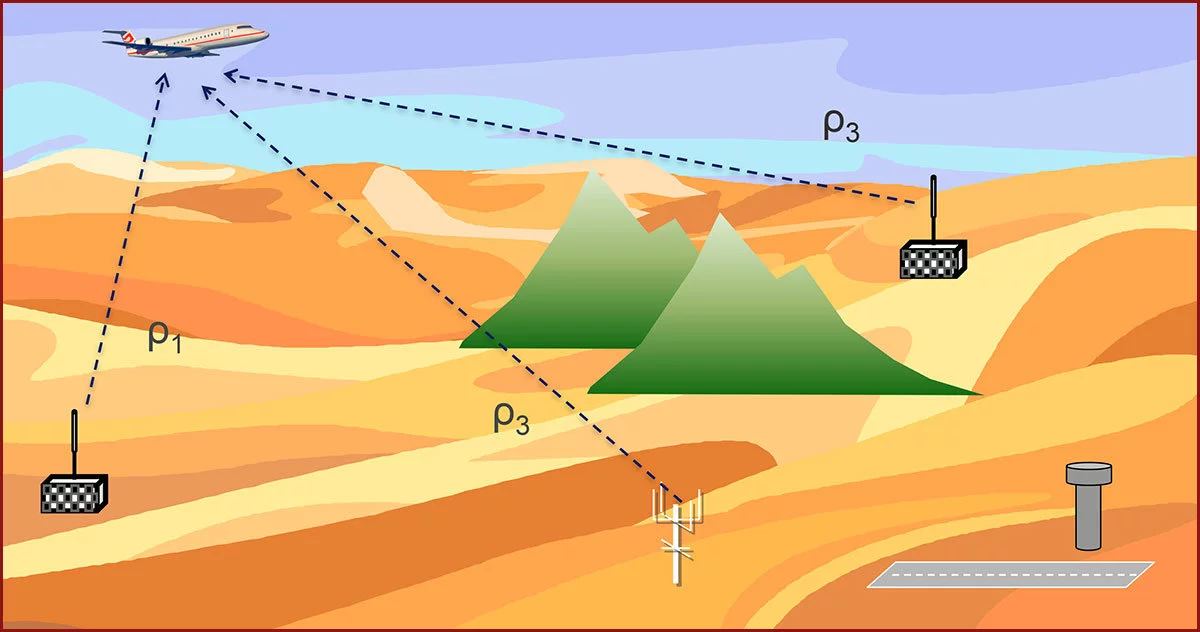
Stanford has been performing research on developing possible APNT systems for aviation and other critical infrastructure such as maritime and timing. Stanford helped develop and test enhanced Loran (eLoran). eLoran builds on the existing Loran-C signal and system to provide improved accuracy, robustness and data capabilities. Stanford developed and examined potential APNT systems for aviation, such as hybrid navigation based on enhanced distance measuring equipment (DME), automatic dependent surveillance–broadcast (ADS-B), and other aviation signals.
The FAA has supported APNT research at Stanford.
For More Information
- View 2014 PNT Symposium presentation: Navigation Programs Update , by Deborah Lawrence, Federal Aviation Administration, October 2014.